
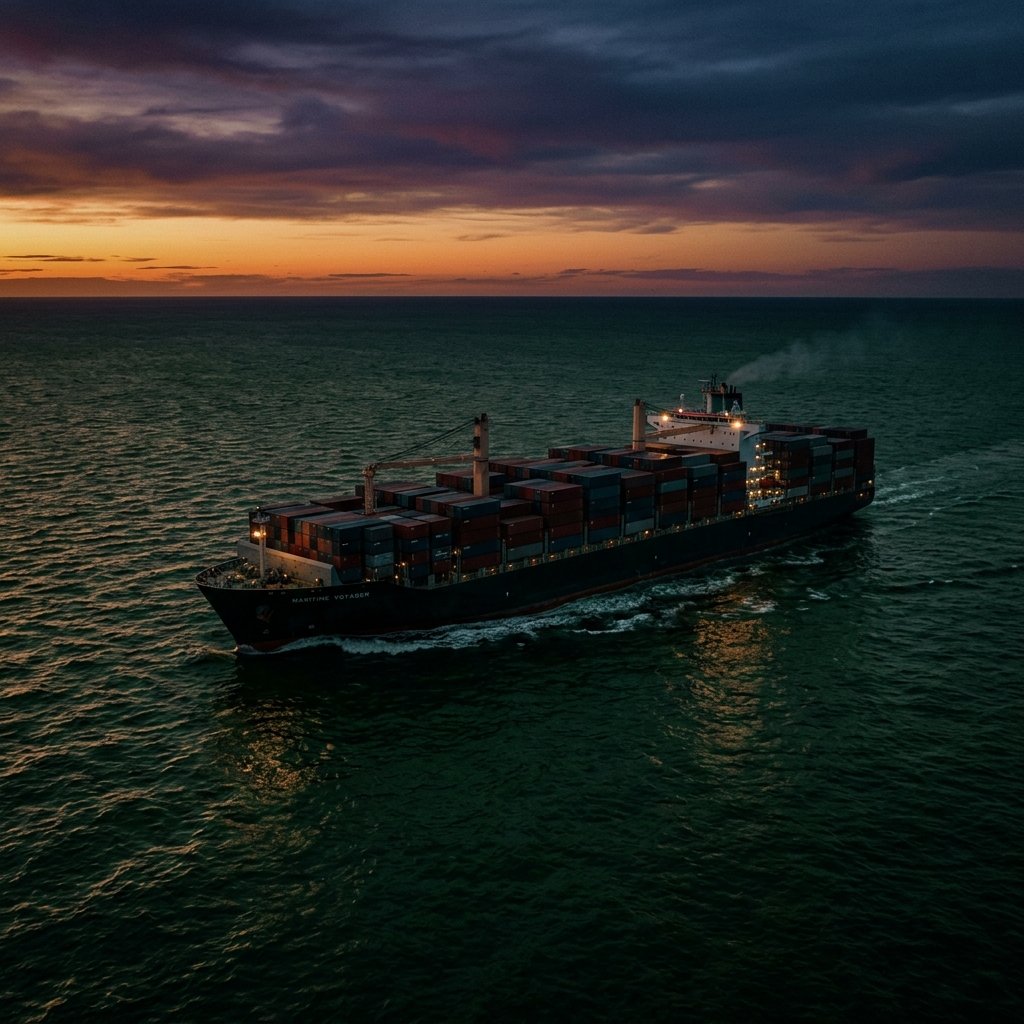
As the global shipping industry navigates the profound changes of 2026, the Bunker Quality Trends Report serves as an essential compass for shipowners, operators, and bunker suppliers. This year marks a critical juncture in maritime fuel management, shaped by the stringent enforcement of new IMO environmental regulations, the accelerated adoption of biofuels like B30, and the continuous evolution of traditional fuel blends. Our comprehensive analysis of global bunker quality reveals significant shifts, emerging risks, and the imperative for advanced testing protocols.
The Impact of the 2026 IMO Regulations on Fuel Quality
The latest iteration of the International Maritime Organization’s (IMO) environmental regulations has fundamentally altered the bunker landscape. With the carbon intensity indicators (CII) and the Energy Efficiency Existing Ship Index (EEXI) now strictly monitored and heavily penalized for non-compliance, the demand for high-quality, lower-carbon fuels has surged. However, this transition has not been without its challenges.
Refineries are utilizing increasingly complex blending techniques to meet both the sulfur caps and the new carbon intensity requirements. While these new blends are environmentally superior, they often exhibit increased variability in key parameters such as viscosity, density, and stability. In 2026, we have recorded a 14% increase in off-spec VLSFO (Very Low Sulfur Fuel Oil) samples globally, primarily related to total sediment potential (TSP) and cat fines (Al+Si).

The Rise of Alternative Fuels: Biofuels and Beyond
Biofuels, particularly B30 (a 30% Fatty Acid Methyl Ester (FAME) blend with 70% VLSFO), have become the bridge fuel of choice for many operators aiming to immediately reduce their carbon footprint without requiring significant engine modifications. In major hubs like Singapore and Rotterdam, B30 bunker volumes have increased by over 45% compared to last year.
Quality Concerns with B30 Blends
Despite their environmental benefits, the widespread use of B30 blends has introduced new quality challenges. The hygroscopic nature of FAME means these fuels are far more prone to water absorption, which can lead to microbial growth (“diesel bug”) if not managed correctly. Furthermore, long-term storage of B30 blends has shown instances of oxidation and degradation, leading to filter blockages and fuel pump issues.

Our 2026 data indicates that 8% of tested biofuel samples exhibited oxidation stability issues. To mitigate these risks, operators are increasingly relying on specialized additives and adopting strict “first-in, first-out” inventory management practices. The importance of routine onboard testing for water content and microbial activity cannot be overstated.
VLSFO and HSFO: The Continuing Compatibility Challenge
While the focus has largely shifted to alternative fuels, traditional VLSFO and High Sulfur Fuel Oil (HSFO)—for ships equipped with scrubbers—remain the dominant fuels by volume. The primary quality issue for VLSFO continues to be stability and compatibility.
VLSFO Stability Issues
Because VLSFO is typically a blended product created from various refinery streams, the resulting fuel can be chemically unstable. Over time, or when exposed to heat, asphaltenes can precipitate out of the fuel, creating heavy sludge that clogs filters and purifiers. In 2026, the Gulf Coast region saw a localized spike in VLSFO instability, traced back to specific cutter stocks used during the spring transition period.
HSFO Contamination
For HSFO, the major concern in 2026 has been chemical contamination. With refineries optimizing for lighter, cleaner products, the residual HSFO streams are increasingly concentrated with contaminants. We have noted several high-profile incidents involving chemical waste derivatives found in HSFO supplies in the ARA (Amsterdam-Rotterdam-Antwerp) region, leading to severe engine damage and operational downtime.
Regional Quality Trends and Hotspots
Bunker quality is highly dependent on regional supply chains, refining capabilities, and local regulations. A granular look at the major bunkering hubs reveals distinct trends.
Singapore
As the world’s largest bunkering hub, Singapore continues to maintain relatively high quality standards, aided by the strict enforcement of mass flow meters (MFMs) and rigorous licensing. However, the sheer volume of B30 blending occurring in the region has led to minor teething problems regarding FAME uniformity. Off-spec incidents in Singapore remain low at 2.1%, but operators must remain vigilant regarding cold flow properties, especially for vessels heading to colder climates.
ARA (Amsterdam-Rotterdam-Antwerp)
The ARA region has been at the forefront of the green transition, heavily promoting biofuels and methanol. However, as noted earlier, the region has struggled with HSFO contamination. Additionally, the variability in VLSFO density in Rotterdam has required closer attention from ships’ engineers when configuring purifiers.
Fujairah
Fujairah’s strategic location makes it a critical hub, but its reliance on imported cargo streams for blending can sometimes result in fluctuating quality. In 2026, Fujairah experienced a slight increase in elevated cat fines in HSFO deliveries. Vessels lifting in Fujairah are strongly advised to ensure their onboard purifiers are operating at optimal efficiency and to monitor the Al+Si levels closely.
Advanced Testing and Mitigation Strategies
The complexities of the 2026 fuel landscape necessitate a proactive approach to fuel management. Relying solely on the Bunker Delivery Note (BDN) is no longer sufficient; the modern marine engineer must view the BDN as a starting point, not a guarantee.
GC-MS Testing
Gas Chromatography-Mass Spectrometry (GC-MS) has transitioned from a specialized investigative tool to a standard requirement for many fleets. GC-MS is the only reliable method for detecting complex chemical contaminants that standard ISO 8217 testing might miss. Given the recent contamination events in the ARA region, we highly recommend routine GC-MS screening for all HSFO liftings.
Onboard Fuel Management
Effective onboard management is the last line of defense against poor fuel quality. This includes:
- Segregation: Never mix new bunkers with existing fuel unless a compatibility test has confirmed it is safe to do so.
- Temperature Control: Maintain optimal storage and transfer temperatures to prevent asphaltene precipitation in VLSFO and microbial growth in B30.
- Purification: Ensure purifiers are correctly configured for the specific density and viscosity of the fuel in use. Regular maintenance of purifiers is absolutely critical.
The Role of Digitalization in Quality Tracking
One of the most significant developments in 2026 is the integration of digitalization into fuel quality tracking. Advanced platforms are now capable of aggregating global fuel testing data, providing operators with real-time insights into regional quality trends, supplier reliability, and emerging contamination hotspots. By leveraging predictive analytics, shipowners can make informed decisions about where to lift bunkers and which suppliers to trust, significantly mitigating the risk of receiving off-spec fuel.
Looking Ahead: The Evolution of ISO 8217
The industry eagerly anticipates the next major revision of the ISO 8217 standard, which is expected to finally provide comprehensive specifications for a wider range of biofuels and novel blends. Until then, operators must navigate the transition using a combination of existing standards, specialized testing, and rigorous operational procedures.
In conclusion, the bunker quality landscape in 2026 is characterized by both innovation and risk. The transition to lower-carbon fuels is necessary and inevitable, but it demands a higher level of technical expertise and operational vigilance. By prioritizing advanced testing, adopting strict onboard fuel management protocols, and leveraging digital intelligence, the maritime industry can ensure safe and efficient operations in this rapidly evolving environment.
Leave a Reply